
Shake Off Stress: The Ultimate Guide to Corporate Zumba Sessions.
We’ve all seen it. The mid-afternoon slump. The silent teams glued to screens. The quarterly surveys that scream “burnout.” As an HR manager, you are constantly looking for the magic bullet—that one activity that lifts spirits, fits the budget, and doesn’t require a logistical miracle to pull off.
You might have tried pizza parties (greasy and fleeting). You might have tried mandatory fun days (awkward and forced). But have you tried turning the conference room into a dance floor?
Enter Corporate Zumba Sessions.
Forget what you think you know about dance fitness. This isn’t just about learning steps; it’s about breaking down barriers. It is a high-energy, low-stress way to tackle occupational health issues while getting your team to actually smile at each other.
In this guide, we’re going to break down exactly why Zumba Sessions in Office environments are the plug-and-play solution you’ve been looking for. We will look at the science behind the movement (it’s more than just cardio), how to execute a flawless session, and why companies across the globe are betting on beats to boost their bottom line.
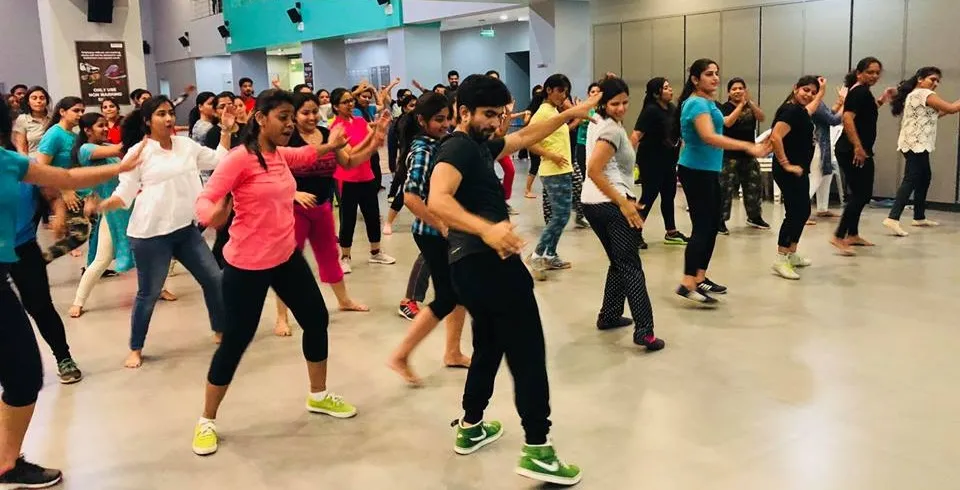
What is Corporate Zumba (And Why Does It Work?)
At its core, Zumba is a fitness program that involves cardio and Latin-inspired dance. But in a corporate setting, it transforms into something much more strategic. It is a tool for psychosocial wellbeing.
When you bring Corporate Zumba Sessions into the workplace, you aren’t just asking employees to exercise. You are creating a “third space” within the office—a space where titles don’t matter, emails can wait, and stress is physically shaken off.
The reason it works so well for diverse teams is its accessibility. You don’t need equipment. You don’t need prior experience. You just need to move. It bridges the gap between sedentary desk work and the need for physical activity without the intimidation factor of a corporate boot camp.
The Science: Beyond Just “Dancing”
It is easy to write off Zumba as just “fun.” And while it is fun, the benefits go deep into the physiology and psychology of your workforce. Let’s swap out the generic health terms for what is actually happening during these sessions.
1. Musculoskeletal (MSK) Relief
Your employees sit. A lot. This sedentary lifestyle leads to tight hip flexors, weak glutes, and the dreaded “tech neck.” Zumba Sessions in Office setups target these exact problem areas. The lateral movements, hip rotations, and overhead reaches provide essential Musculoskeletal (MSK) relief. It counteracts the rigidity of the desk chair, lubricating joints and improving posture.
2. Cortisol Regulation
High-stress environments spike cortisol levels. Chronic high cortisol leads to burnout, fatigue, and irritability. Rhythmic movement to music is a proven method for cortisol regulation. It allows the body to complete the stress cycle, moving from a “fight or flight” state to a more regulated, calm state post-workout.
3. Neuroplasticity and Focus
This isn’t mindless running on a treadmill. Following choreography requires aerobic coordination. You have to think, move, and listen simultaneously. This stimulates neuroplasticity—the brain’s ability to form new neural connections. It literally wakes up the brain, leading to sharper focus and better problem-solving skills when they return to their desks.
Why Corporate Zumba Beats Traditional Wellness Programs
You have a budget to justify and stakeholders to please. Here is why investing in Corporate Zumba Sessions makes business sense compared to other initiatives.
Convenience is King
The biggest barrier to employee wellness is time. By hosting Zumba Sessions in Office, you eliminate the friction of travel. There is no gym commute. It happens right where they are, making participation significantly higher.
It Levels the Playing Field
In a meeting, the loudest voice usually wins. On the Zumba floor, the CEO and the intern are on the same level. This shared vulnerability builds trust faster than any trust-fall exercise ever could. It humanizes leadership and empowers junior staff.
It’s a Mood Multiplier
Productivity is directly linked to morale. A team that laughs together works better together. The endorphin rush from a 45-minute session creates a lingering positive atmosphere that lasts for days.
Check out our full range of [Corporate Zumba Session packages] available for your office.
How Corporate Swasthya Conducts a Session
We know your fear: You hire a vendor, they show up late, the music system fails, and the instructor treats your accountants like professional backup dancers. It’s a nightmare.
At Corporate Swasthya, we pride ourselves on being the hassle-free, trusted specialists you need. We specialize in Zumba Sessions Across India, providing a standardized, high-quality experience whether your office is in Mumbai, Bangalore, or Delhi.
Here is our proven 4-step formula for a successful session:
Step 1: The Warm-up (Mobility and Presence)
We don’t jump straight into high-speed tracks. We start by acknowledging the room.
- Mobility: We focus on opening up the chest and shoulders (undoing the “keyboard hunch”).
- Mental Presence: We use simple cues to help employees switch off “work mode” and switch on “body mode.”
- Goal: To prepare the joints for aerobic coordination and prevent injury.
Step 2: The Flow (Curated Playlists)
Music makes or breaks the session. We don’t use generic tracks. We curate playlists specifically for the Indian corporate palate.
- The Mix: Expect a blend of Bollywood high-energy hits, Latin classics, and Global pop.
- The Logic: Familiar songs encourage participation. When an employee hears a beat they recognize, their inhibition drops.
- Adaptability: If the room is tired, we adjust the tempo. If they are energetic, we push the pace.
Step 3: The Synergy Round (Team Building)
This is where the magic happens. About 30 minutes in, we introduce the Synergy Round.
- Dance-Offs: Friendly, low-stakes competitions between departments.
- Partner Work: Simple mirroring exercises that require non-verbal communication and cooperation.
- The Outcome: This builds camaraderie and creates those “remember when” moments that bond teams together.
Step 4: The Cool Down (Breathwork)
We never send them back to their desks sweaty and hyper. We bring the energy down intentionally.
- Stretching: Targeted static stretching for Musculoskeletal (MSK) relief.
- Breathwork: Guided breathing to lower the heart rate and center the mind.
- Result: Employees return to work feeling energized, not exhausted.
Success Stories: From Skeptics to Superfans
You might be thinking, “My team is too serious for this.” We hear that a lot. Here is what happens when companies take the leap.
The Stressed Startup
A mid-sized fintech company approached us with high attrition rates. Their teams were working 12-hour days and morale was on the floor.
- The Solution: Weekly Friday Corporate Zumba Sessions.
- The Result: Fridays became the most attended day of the week. Teams started coordinating outfits. The post-session energy carried into their weekend, reducing the “Sunday Scaries.”
The Traditional Titan
A large manufacturing firm with a very hierarchical culture wanted to improve occupational health but feared it would look “unprofessional.”
- The Solution: We branded the sessions as “Aerobic Coordination Drills” to appeal to their practical mindset.
- The Result: Management participated alongside factory floor supervisors. It broke down communication silos that had existed for years.
Overcoming Common Implementation Challenges
As an HR manager, you spot problems before they happen. Here are the common hurdles to running Zumba Sessions in Office and how to clear them.
Challenge 1: “Our employees will be too shy to dance.”
The Fix: Emphasize that this is about movement, not mastery. Our instructors are trained to simplify moves. We use repetitive steps so anyone can catch on. We explicitly state at the start: “If you are moving and smiling, you are doing it right.”
Challenge 2: “We don’t have a gym.”
The Fix: You don’t need one. We can adapt to conference rooms, cafeterias, or even open atrium spaces. If you have a floor, we can make it work.
Challenge 3: “I don’t want to be sweaty for my 3 PM meeting.”
The Fix: Scheduling is key. We often run sessions:
- Morning: To start the day (lower intensity).
- Lunch: For a mid-day break (we keep the cool-down longer).
- End of Day: The most popular slot, allowing staff to sweat it out and head home.
Measuring the Impact
How do you prove to your CFO that this was worth it? You measure the impact on psychosocial wellbeing and engagement.
- Attendance Rates: Track participation over time. Consistency is a great indicator of value.
- Post-Session Surveys: Ask three simple questions: Did your stress levels drop? Do you feel more connected to your team? Would you recommend this to a colleague?
- Retention: Over 6-12 months, compare attrition rates in participating departments versus non-participating ones.